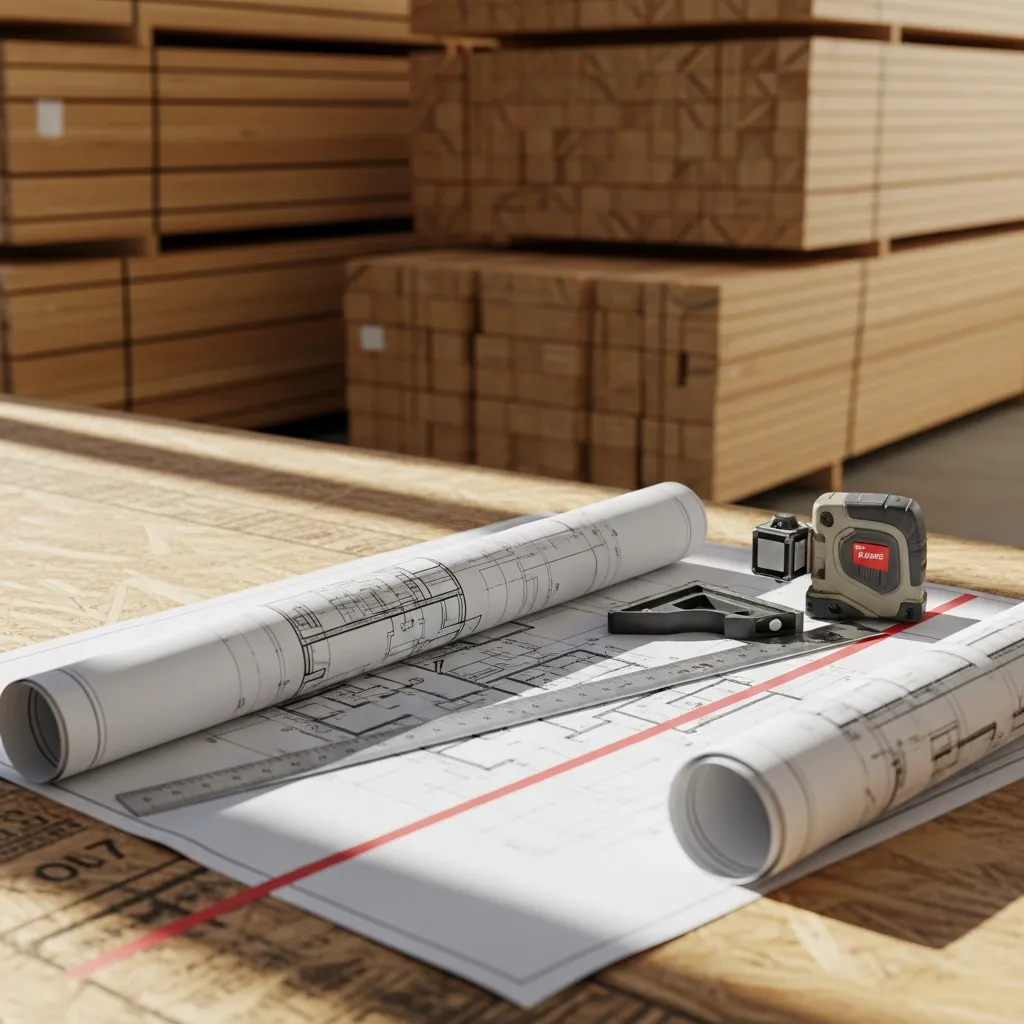
Construction Costs Rise 4.2% in 2026: What It Means for Your Bottom Line
Construction material and labor costs climbed 4.2% in early 2026, squeezing margins for contractors across the board. If you are not actively tracking job-level profitability and updating your estimates in real time, you are likely losing money on every project without realizing it until the invoice is already sent. The fix is not guessing better; it is installing a financial system that connects your project management software to your accounting and gives you visibility before the damage is done.
Why Are Construction Costs Rising Again in 2026?
The usual suspects are back: supply chain friction, wage pressure in skilled trades, and persistent inflation in key categories like lumber, concrete, and steel. Unlike the wild swings of 2021-2022, the 4.2% uptick is steadier but no less dangerous for your margins. For a $500,000 project, that translates to roughly $21,000 in unexpected cost drift if your estimates were locked in six months ago. And if you are operating on 10% net margins, that entire profit just evaporated.
Most contractors do not lose money because they are bad estimators. They lose it because their systems cannot tell them during the job that costs are running hot. By the time they realize it, the drywall is hung, the change order window has closed, and the client is already eyeing the final draw.
What Does This Mean for Specialty Contractors and Builders?
If you are an electrician, HVAC tech, or plumber working as a subcontractor, rising costs hit you twice: first when your suppliers raise prices, and second when general contractors squeeze you to hold the line on your bid. You cannot absorb that margin compression forever. You need job costing that tracks every material pull, every labor hour, and every markup so you know exactly when to push back or walk away.
For custom home builders and remodelers, the danger is different. You are often working cost-plus or fixed-fee contracts with clients who expect a number and want it to hold. When lumber jumps 6% mid-project or your framer raises his rate, you need a system that flags the variance immediately and gives you the data to have a confident conversation with your client about a change order or contingency draw.
The Hidden Damage: Untracked Cost Creep
Cost increases do not announce themselves. They seep in through:
- Supplier price hikes that your bookkeeper does not flag because bills are coded to generic 'Materials' accounts
- Overtime labor that was not in the original budget but got burned anyway because the schedule slipped
- Subcontractor markups that crept up between your estimate and the actual PO
- Fuel surcharges, delivery fees, and other 'small' line items that add up to thousands
Without a financial system that ties your project management tool to QuickBooks and surfaces real-time job profitability, you are flying blind. You might feel like a job is going sideways, but you cannot prove it until the final reconciliation, and by then it is too late to fix.
How Do You Protect Your Margins When Costs Keep Rising?
First, stop estimating in a vacuum. Your estimates should be living documents that reflect current supplier pricing, current labor rates, and current overhead allocation. That means your estimating tool needs to talk to your accounting system, not live in a spreadsheet that gets updated once a quarter.
Second, implement weekly job cost reviews. Every Monday morning, you should be looking at:
- Actual costs to date vs. budget for every active project
- Projected costs to complete based on remaining scope
- Gross profit margin as a percentage, updated in real time
- Any line items running more than 10% over budget
Third, build contingency into every estimate and track it separately. A 5-10% contingency line is not a slush fund; it is insurance against exactly this kind of cost drift. But if you do not track it as its own line item, you will never know if you are dipping into it or if it is covering you.
What Does a Financial System Actually Do?
A proper financial system is not just clean books. It is the integration of your project management platform (Buildertrend, CoConstruct, Procore, Knowify) with QuickBooks, plus a custom dashboard that shows you the numbers that matter:
- Job-level profit and loss, updated weekly
- Cash flow forecast based on draw schedules and AP aging
- Work-in-progress (WIP) reporting so you know what revenue you have earned but not yet billed
- Variance reporting that flags cost overruns before they kill the job
This is what we mean when we talk about clarity. It is not motivational. It is operational. You know where every dollar is, every day. You sleep better. You stop wondering if you are making money and start knowing it.
What Should You Do Right Now?
Pull your last three completed jobs and compare actual costs to estimate. If you are seeing variance greater than 5% on materials or 10% on labor, you have a systems problem, not a skill problem. Your estimates might be fine; your tracking is not.
Then, commit to a weekly financial review. Block 30 minutes every Monday to look at job costs, cash flow, and upcoming draws. If you cannot generate those reports in under 10 minutes, your system is not working. A fractional CFO can build that for you, or you can cobble it together yourself, but either way, the discipline is non-negotiable.
Finally, update your estimates. If your standard markup was 20% last year and costs are up 4.2%, your margin just shrank to 15.8% unless you raise your prices. Run the math. Adjust. Communicate it to your clients early and often. They would rather hear about a price increase in the proposal stage than in a tense conversation three months into the build.
The Bottom Line
Rising costs are not going away. The contractors who survive and thrive in 2026 are the ones who stop reacting and start managing. That means installing systems that give you visibility, discipline around weekly reviews, and the confidence to have hard conversations with clients and subs when the numbers demand it. You cannot control the cost of lumber, but you can absolutely control whether you know about it in time to do something.
#ConstructionCosts #JobCosting #ConstructionFinance #ContractorProfitability #FinancialClarity #BuilderMargins


