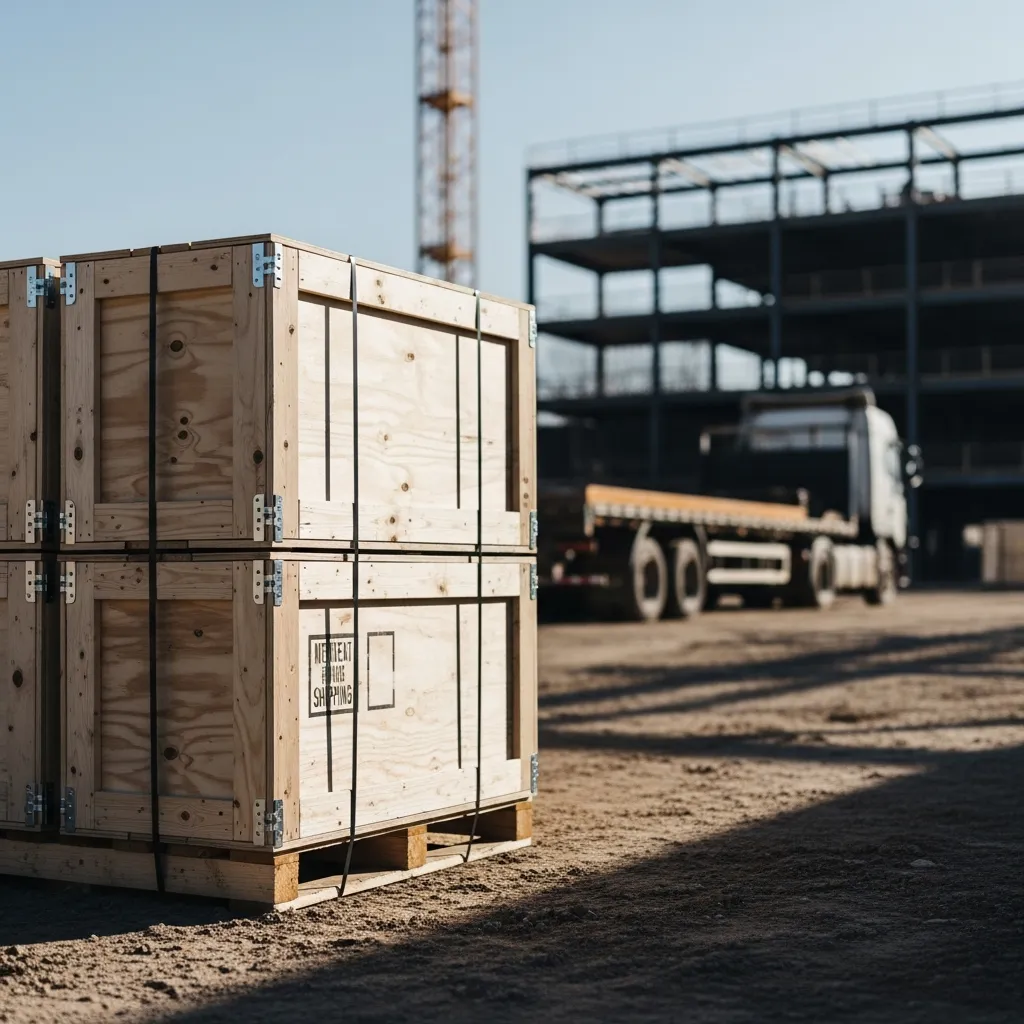
How Tariffs Impact Your Construction Budget in 2026
What Every Contractor Needs to Know About Tariffs and Material Costs
If you have been watching the news or opening vendor invoices lately, you have probably noticed something unsettling: material costs are climbing again. In 2026, tariff policies are reshaping the economics of construction, particularly for builders and contractors who rely on imported steel, aluminum, lumber products, and specialty finishes. The question is not whether tariffs will affect your bottom line — it is whether you will see it coming in time to do something about it.
Here is the uncomfortable truth: most construction companies do not have the financial visibility to catch a 12% cost creep on materials until it is already baked into three completed jobs. By then, what looked like a profitable quarter on paper has evaporated into break-even or worse. You are left wondering where the money went, staring at a bank balance that does not match your expectations, and feeling like you are flying blind.
The Hidden Danger: Tariffs Do not Just Raise Prices — They Destroy Job Costing Accuracy
Tariffs are not just a procurement problem. They are a financial system problem. When material costs shift mid-project, your estimates become outdated, your job costing becomes fiction, and your profit margins become a guess. If you are still tracking costs in spreadsheets or waiting until month-end to reconcile your books, you are already behind.
Here is what happens in the real world:
- You bid a custom home renovation in January using pricing from your trusted lumber supplier.
- Tariffs on Canadian softwood jump in March, and your supplier quietly raises prices by 9%.
- You do not catch it because your estimating software is not connected to your accounting system.
- By the time the job wraps in June, you have bled $14,000 in untracked cost overruns.
Sound familiar? You are not alone. But you also do not have to live this way.
What Smart Contractors Are Doing Right Now
The builders and remodelers who sleep well at night are not clairvoyant — they just have financial systems that give them clarity in real time. They have connected their project management tools (Buildertrend, CoConstruct, Procore) to their accounting platform (QuickBooks), and they are tracking live job costs against estimates every single week. When a tariff-driven price increase hits, they see it immediately and can act before it wrecks a job.
Here is what that looks like in practice:
- Live dashboards that show gross profit by job, updated daily — not 45 days after the fact.
- Integrated procurement tracking so every purchase order, change order, and材料 receipt flows automatically into job costing.
- Variance alerts that flag when actual costs are trending above estimate, while there is still time to adjust scope, renegotiate, or document a change order.
This is not about working harder. It is about installing a system that works for you. A system that turns the chaos of crumpled receipts, surprise invoices, and lagging reports into a single source of truth you can trust.
Three Immediate Steps to Protect Your Margins
1. Lock in Pricing Where You Can
Talk to your key suppliers about longer-term pricing agreements or bulk purchasing arrangements. Even a 60-day price lock can give you the breathing room to finish jobs at the margin you estimated.
2. Build Escalation Clauses Into Your Contracts
For projects with longer timelines, consider adding material escalation clauses that allow you to pass through documented cost increases beyond a certain threshold. It is not about shifting risk unfairly — it is about protecting both parties from forces outside anyone's control.
3. Install Real-Time Job Costing
If you are still reconciling costs at month-end, you are managing your business using a rearview mirror. A proper financial system connects your field operations to your books and gives you a live view of every job's health. When tariffs or supply chain disruptions hit, you will know exactly which jobs are affected and by how much — while you still have options.
Why This Matters More in 2026 Than Ever Before
Tariff policy is unpredictable. Supply chains are still fragile. Labor costs are not dropping. And if you are a home builder or remodeler operating in a competitive market, your clients expect fixed-price bids, not cost-plus arrangements. That means the risk sits squarely on your shoulders.
The contractors who thrive in this environment are not the ones with the lowest overhead or the cheapest subs. They are the ones with financial clarity. They know their numbers. They know their true costs. And they know their margins — not eventually, but right now.
The Emotional Cost of Not Knowing
Here is what we hear all the time from contractors before they get their systems dialed in: 'I feel like I am working harder than ever, but I do not know if I am actually making money.' That gnawing anxiety — the sense that something is slipping through the cracks but you cannot see where — is not just stressful. It is expensive. It leads to bad decisions, missed opportunities, and sleepless nights.
The good news? That feeling is fixable. Not with more hustle or longer hours, but with a financial system that gives you control. Imagine opening your dashboard on a Tuesday morning and knowing — with total confidence — exactly where every job stands, which ones are profitable, and which ones need attention. That is not a fantasy. That is what clarity feels like.
Final Thought: You Cannot Control Tariffs, But You Can Control Your Response
Tariffs are going to do what they are going to do. Supplier costs will fluctuate. The macro environment will stay messy. But your business does not have to feel chaotic. With the right systems in place, you can absorb shocks, adapt quickly, and protect your margins — no matter what Washington or your vendors throw at you.
We have got your back.
#ConstructionFinance #JobCosting #TariffImpact #FinancialClarity #ConstructionCFO #BuilderMargins


