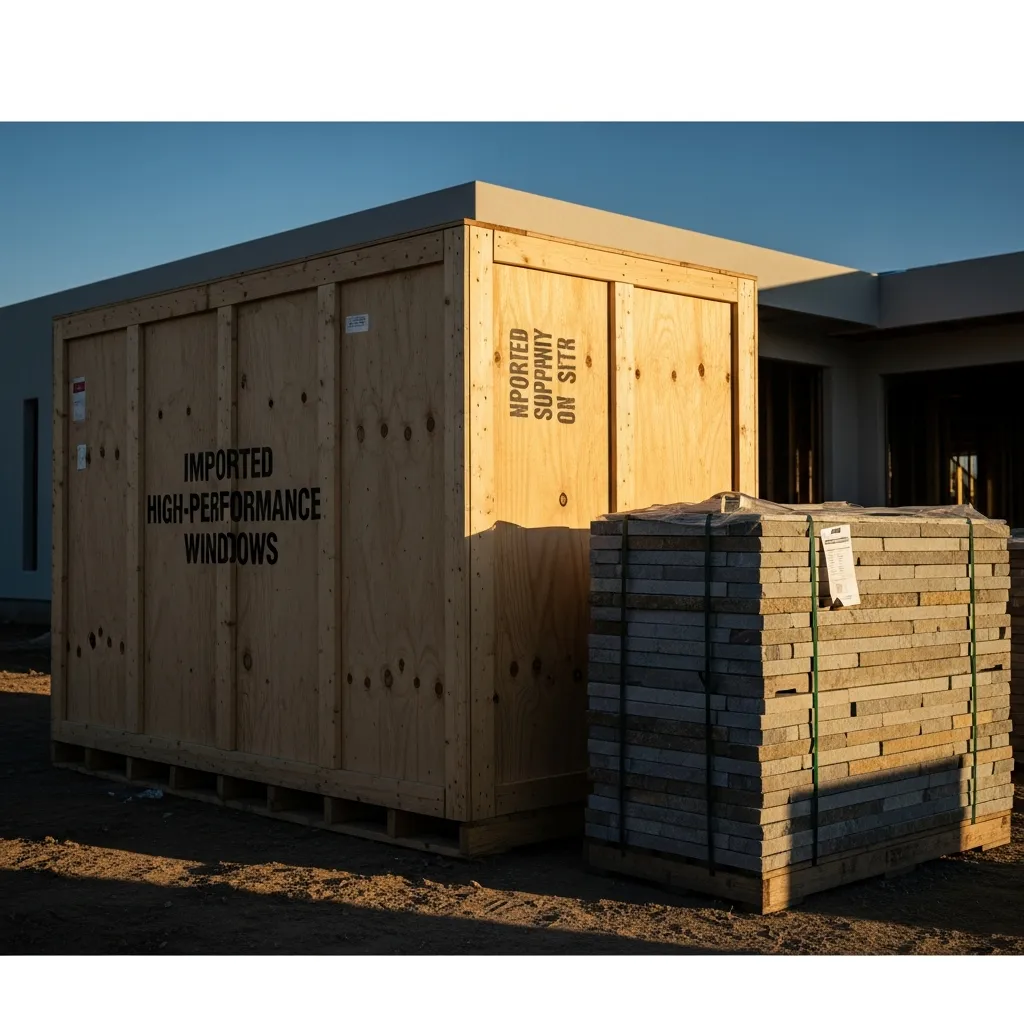
Tariffs & Trade Wars: How Custom Home Builders Stay Profitable
What the 2026 Trade War Means for Your Bottom Line
If you are a custom home builder in 2026, you have already felt it: material costs swinging wildly, lead times stretching like taffy, and clients asking if they should 'wait it out.' The headlines scream about tariffs and trade wars, but here is what really matters to you—how do you protect your margin when lumber, steel, and appliances are playing musical chairs with pricing?
The short answer: you cannot control Washington, but you can control your financial system. The builders who sleep well at night are not the ones gambling on commodity futures—they are the ones who know, down to the penny, what every job costs in real time, and who can pivot pricing and procurement strategies before a surprise invoice wipes out their profit.
The Hidden Danger: Guessing Your Way Through Volatility
Most custom builders we talk to are winging it. They have a 'gut feel' for margins, maybe a spreadsheet they update on Sundays, and a stack of crumpled receipts from the lumber yard riding shotgun in the truck. When material costs jump 18% overnight (hello, steel tariffs), that system falls apart fast.
Here is what happens:
- You underbid the next job because your last estimate was based on old pricing, and now you are locked into a fixed contract with 2026 costs.
- Change orders become chaos because you do not have a clean process to track, approve, and bill them—so you eat the cost or fight with the client.
- Cash flow whipsaws because you are paying subs and suppliers on Net 30 while waiting 60+ days for client draws, and you have no idea if you are actually making money until tax time.
Sound familiar? You are not alone. But you also do not have to live this way.
The Antidote: A Financial System That Tracks Every Dollar
The builders who thrive in volatile markets have something in common: they have installed a financial system that connects their field work to their financials. That means integrating project management tools like CoConstruct or Buildertrend with QuickBooks, so every PO, every timesheet, and every change order flows automatically into job costing.
Here is what that looks like in practice:
- Real-time job costing: You know by Thursday afternoon if the framing crew is trending over budget, not six weeks later when the damage is done.
- Margin tracking by phase: You can see which phases (rough-in, finishes, site work) consistently eat your lunch, and adjust bids or processes accordingly.
- Custom dashboards: Your top KPIs—gross profit per job, work-in-progress, cash flow forecast—live in one place, updated daily, no spreadsheet archaeology required.
This is not about software for software's sake. It is about clarity. When tariffs hit and your appliance supplier jacks up prices mid-project, you can model the impact in minutes, renegotiate with the client armed with data, and protect your margin. You are not guessing. You are not scrambling. You are in control.
Three Moves Custom Builders Should Make Right Now
1. Lock in Your True Job Costs—Before You Bid the Next Project
Go back and dissect your last three completed jobs. Not what you thought they cost—what they actually cost, including all those 'small' overruns and unbilled change orders. Build a baseline cost model per square foot or per phase that reflects 2026 pricing reality. Then add a volatility buffer (we typically recommend 8-12% for material-heavy trades right now). If you do not have clean historical data, a fractional controller can help you reconstruct it from bank statements and vendor records. Yes, it is painful. It is also the difference between profit and hope.
2. Tighten Your Change Order Process (and Actually Bill Them)
Change orders are where profit goes to die—or where you rescue a job. In a tariff-driven cost environment, every scope change is an opportunity to true up your pricing. But only if you have a system to capture, approve, and bill them immediately. That means:
- A written change order process baked into your contract (no handshake approvals on site).
- Integration between your PM tool and QuickBooks so change orders flow directly into invoicing.
- A weekly review habit—every Friday, you or your bookkeeper eyeball open change orders and make sure they are billed before the next draw.
This is not about nickel-and-diming clients. It is about honoring the scope you agreed to and getting paid fairly for the scope that changed. Clients respect clarity and documentation. What they resent is surprise bills three months later.
3. Build a 13-Week Cash Flow Forecast
Tariffs and trade wars do not just hit your costs—they hit your timing. Longer lead times mean you are fronting more cash for longer periods. A 13-week rolling cash flow forecast lets you see the crunch coming and act before you are sweating payroll. You will know:
- Which client draws are due (and which clients are slow payers you need to nudge).
- Which vendor bills are coming due (and where you might negotiate terms).
- Whether you need to tap a line of credit, delay a material order, or push a project start date.
Most builders do not forecast because they think it is complicated. It is not—if your books are clean and your financial system is integrated, you can generate a rolling forecast in under an hour a week. The relief of knowing you will not run out of cash is worth every minute.
The Outcome: Sleeping Well While Others Scramble
Look, we cannot make tariffs go away. We cannot control global trade policy or predict the next supply chain meltdown. But we can give you total clarity on your numbers, so when the world gets choppy, you are the builder who stays calm, adjusts quickly, and protects your profit.
That is the emotion we are after: the deep, bone-level relief of knowing exactly where you stand. No more Sunday-night dread wondering if you are losing money. No more reactive scrambling when costs spike. Just a clean, integrated financial system that gives you the truth in real time, and a trusted partner who has your back.
Because in 2026, the custom builders who win are not the ones with the best guess. They are the ones with the best data.
#CustomHomeBuilder #ConstructionFinance #JobCosting #TariffImpact #FinancialClarity #BuilderProfit


