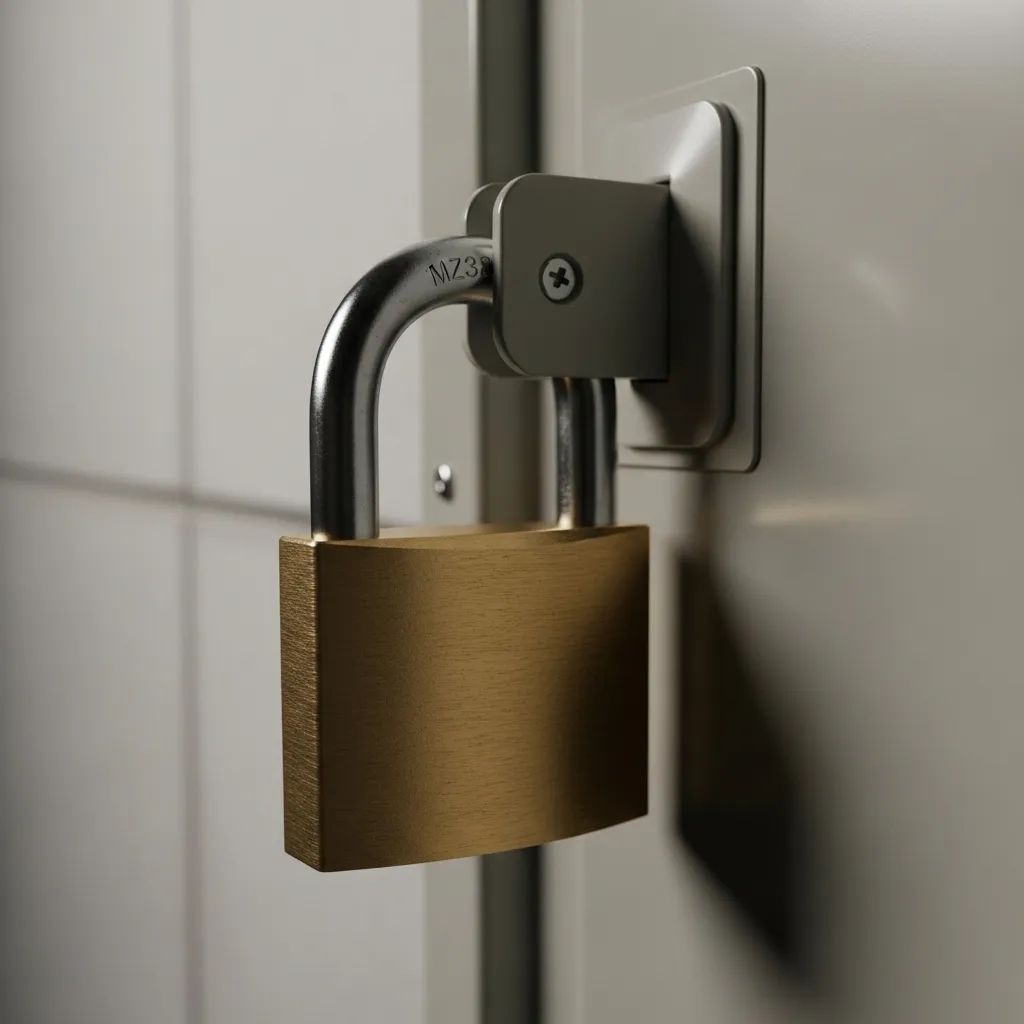
Why Your Construction Business Needs Cybersecurity Now
The Digital Job Site Is Here — And So Are the Hackers
If you think cybersecurity is just an IT problem for tech companies, 2026 has some harsh news for you. Construction firms — especially those in the $500k to $10M revenue range — are now prime targets for cyberattacks. Why? Because you are managing sensitive client data, handling wire transfers for six-figure projects, and running your entire operation through connected systems like Buildertrend, QuickBooks, and email. And if you have not locked down your financial systems, you are leaving the front door wide open.
Here is the truth: A single ransomware attack or phishing scam that compromises your accounts payable can wipe out your cash reserves, delay projects, and destroy client trust overnight. The construction industry saw a 300% increase in cyberattacks between 2023 and 2025, and that trend is accelerating. Your competitors who treat cybersecurity as an afterthought? They are the ones scrambling to recover lost data or explain to clients why their payment information was stolen.
What Construction Owners Are Getting Wrong About Cybersecurity
Most contractors think cybersecurity means buying antivirus software and calling it a day. But the real risk is not your laptop — it is the intersection of your financial systems, project management tools, and the humans who use them. Here is where the gaps show up:
- Unprotected Financial Data: Your QuickBooks file contains every vendor relationship, every client payment, and every job cost. If someone gains access, they can redirect payments, steal client lists, or lock you out entirely.
- Weak Email Security: Phishing emails that look like they are from your bank, a subcontractor, or even your project manager are the number one way hackers infiltrate construction firms. One wrong click on a fake invoice and your bank account is drained.
- No System Integration Security: If your Buildertrend or CoConstruct is not properly synced and secured with your accounting system, you have data living in silos — and hackers love silos because they are easier to breach without detection.
- Lack of Financial Oversight: Without a real-time dashboard tracking your cash flow and transactions, you might not even notice fraudulent activity until it is too late. That missing $18,000? Could be a data entry error. Or it could be theft.
The Relief of a Secure, Integrated Financial System
Cybersecurity is not just about防火walls and passwords. It is about building a financial system that is resilient, transparent, and locked down at every point where your money moves. Here is what that looks like in practice:
1. Integrated Systems With Secure Data Flows
When your project management software talks directly to your accounting system — and both are monitored by a fractional controller who knows what normal looks like — you create a closed loop. Any anomaly (a duplicate invoice, an unusual wire transfer, a login from an unfamiliar location) gets flagged immediately. That is not just good bookkeeping. That is your first line of defense.
2. Real-Time Financial Dashboards That Catch Red Flags
Imagine logging into your custom dashboard every Monday morning and seeing exactly where every dollar went last week: labor costs by job, material expenses, subcontractor payments, and cash flow. If something is off — say, a $12,000 payment you did not authorize — you will know within hours, not months. That kind of financial visibility is not just clarity. It is protection.
3. Multi-Layered Access Controls
Not everyone on your team needs access to your bank account or your full QuickBooks file. A secure financial system uses role-based permissions: your project managers see job costing data, your office admin sees invoices, and you see everything. Limiting access is not about distrust — it is about reducing risk.
4. Regular Reconciliation and Audit Trails
Weekly reconciliation is not just about balancing your books. It is about creating an audit trail that shows every transaction, every change, and every login. If something goes sideways, you have a paper trail that tells you exactly what happened and when. That is the kind of rigor that keeps both hackers and sloppy bookkeeping at bay.
What This Looks Like for a General Contractor
Let me paint a picture. You are a GC managing four commercial projects simultaneously. You have 15 subs, a dozen material suppliers, and three office staff handling invoices and payments. One morning, your office manager gets an email that looks like it is from your lumber supplier, asking to update their payment details for an upcoming $40,000 order. She updates the info in QuickBooks and sends the wire. Two weeks later, the real supplier calls asking where their money is. The email was fake. The $40,000 is gone.
Now imagine the alternative. Your financial system has a protocol: any change to vendor payment details requires a phone call confirmation and a second approval from your controller. Your dashboard flags unusual payment requests. Your weekly reconciliation catches the discrepancy within 72 hours. The wire is stopped. The money is safe. That is the difference between chaos and control.
The Emotional ROI: Sleeping Well at Night
Cybersecurity is not sexy. It does not feel urgent until it is too late. But here is what it actually buys you: peace of mind. The profound relief of knowing that your financial data is locked down, your cash is protected, and your systems are working together to catch problems before they become disasters. You are not lying awake at 2 a.m. wondering if that weird email was legitimate. You are not scrambling to explain to a client why their deposit disappeared. You are in control.
And that control? That is not just good business. That is the foundation of a construction company that scales, that weathers storms, and that builds wealth — not just buildings.
Where to Start
If you are reading this and realizing your financial systems are held together with duct tape and hope, here is your first move: Audit your access points. Who has login credentials to your accounting software? Your bank account? Your project management tools? Write it down. Then ask yourself: Does every person on that list absolutely need that access?
Next, look at your data flows. Are your systems talking to each other, or are you manually entering the same invoice three times? Manual processes are not just inefficient — they are vulnerable. Every time a human touches data, there is a chance for error or exploitation.
Finally, get someone in your corner who understands both construction and financial systems. Someone who can build you a dashboard, lock down your integrations, and watch your numbers like a hawk. Because cybersecurity is not a one-time software purchase. It is an ongoing partnership with someone who has got your back.
#ConstructionCybersecurity #FinancialSystems #JobCosting #ConstructionFinance #ContractorCFO #BuilderProtection


